
Why GEO Is Especially Critical for B2B Companies
In the consumer world, a purchase decision can be made in seconds. In B2B contexts, the buying journey is longer, more complex, and typically involves multiple decision-makers with different roles and requirements. This is the landscape in which Generative Engine Optimization – GEO – is playing an increasingly important role.
Procurement managers, IT directors, CFOs, and operational leaders regularly turn to AI tools such as ChatGPT, Perplexity, and Microsoft Copilot to quickly orient themselves before a purchasing decision. They ask questions like: "Who are the leading ERP vendors for the manufacturing industry?" or "What should I consider when procuring a cloud-based security solution?"
If your company does not appear in these AI-generated answers, you risk being excluded from the buying process before a potential customer has even visited your website. It is no longer sufficient to rank highly in traditional search – you must also be the answer that the AI model chooses to surface.
How Decision-Makers Interact with AI Search
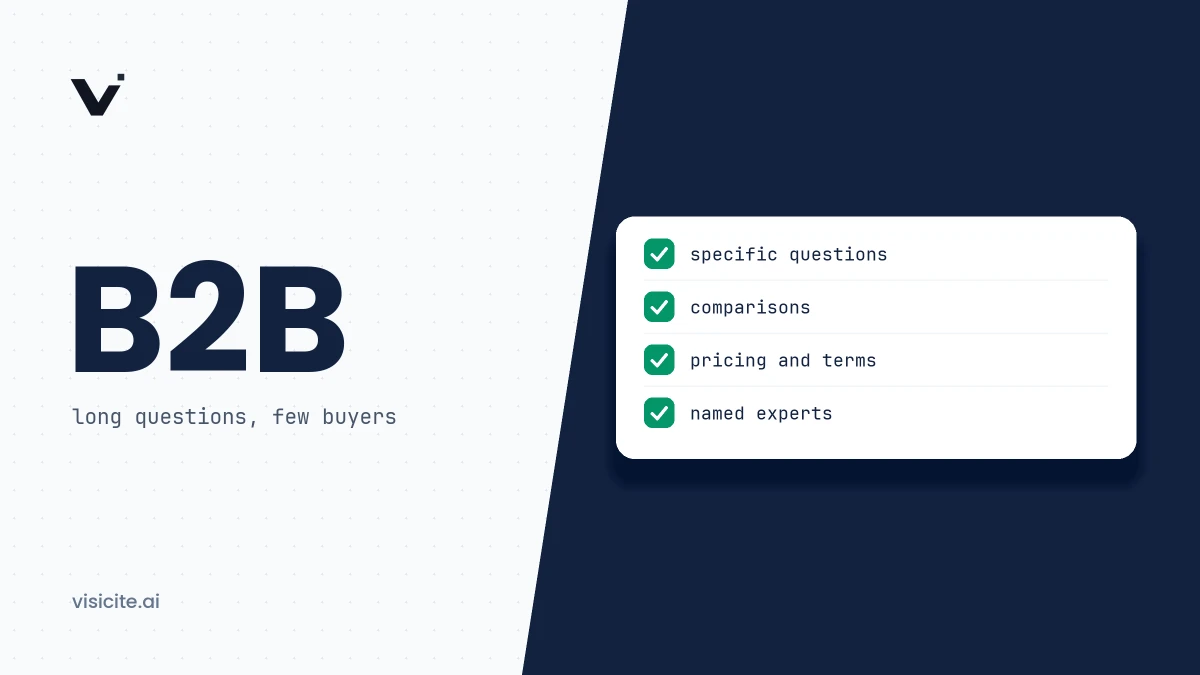
To optimize correctly, you must understand how professional decision-makers actually use AI in their research. Generally speaking, their behavior differs from consumers in a few important ways:
- More complex queries: Decision-makers often ask long, nuanced questions using industry terminology and specific requirements.
- Comparative research: They want to understand differences between solutions, not just find a single vendor.
- Credibility validation: They actively look for signs of expertise, certifications, and customer case studies.
- ROI focus: Questions frequently revolve around business value, cost savings, and implementation timelines.
This means your GEO strategy must address this entire spectrum – from early orientation through in-depth comparison to final validation.
Industry-Specific GEO Tactics for B2B
1. Build Authority Within Your Niche with In-Depth Expert Content
AI models generally value sources that demonstrate deep expertise in a specific area. For B2B companies, this means producing content that goes beyond generic marketing copy. Think industry reports, technical whitepapers, methodology descriptions, and detailed guides that address real problems your target audience faces.
A software company targeting the logistics industry, for example, should publish content addressing specific challenges such as route optimization, inventory carrying costs, or regulatory requirements in transportation – not just generic descriptions of their product.
2. Structure Content to Directly Answer Decision-Maker Questions
AI models tend to cite sources that provide clear, direct answers to specific questions. Use an FAQ structure or heading-based layout where each section answers a concrete question that a decision-maker would actually ask. Examples of questions to address:
- What is the typical implementation timeline for [your solution]?
- What integration capabilities do you offer with existing systems?
- How is data security and GDPR compliance handled?
- What ROI can a mid-sized company expect in the first year?
These are questions that decision-makers actually ask AI tools, and if your website provides well-structured answers, the likelihood of being cited increases significantly.
3. Use Industry-Specific Terminology Consistently
AI models are trained on large text corpora and learn to associate specific terminology with specific domains and authorities. Within the SaaS industry, for example, terms like ARR, churn rate, NRR, and CAC/LTV signal industry knowledge. In manufacturing, it might be OEE, lean manufacturing, or supply chain resilience.
Consistently using correct industry terminology – without overdoing it – signals to AI models that your source is relevant and credible for industry-specific queries.
4. Publish Comparative and Analytical Content
Decision-makers frequently search for comparisons: "What is the difference between X and Y?" or "What factors should guide the choice of [solution type]?" Content that honestly and objectively addresses these questions – including when competitors may be a better fit for certain use cases – tends to be perceived as more credible by AI models.
This requires some courage from a marketing perspective, but analytical content that is not purely self-promotional generally has a higher chance of being cited by AI models that strive to provide balanced answers.
5. Highlight Customer Case Studies with Measurable Results
Case studies are one of the most powerful content formats for B2B GEO. They combine industry specificity, concrete results, and social proof – three factors that AI models value highly when recommending solutions.
Structure your case studies with clear sections: challenge, solution, implementation, and measurable results. Include specific figures where possible – percentage improvements, time savings, cost reductions. Avoid vague claims like "we helped them grow" and replace them with concrete data.
Content Formats That Work Particularly Well for B2B GEO
Technical Whitepapers and Methodology Documents
Whitepapers that describe your methodology, technical architecture, or industry analysis are excellent GEO assets. They signal deep expertise and are frequently cited by AI when decision-makers search for more advanced, technical topics. Ensure these documents are accessible to AI crawlers and not locked behind forms requiring login.
Definition Pages and Industry Glossaries
Publishing well-defined explanations of industry terms and concepts is an effective tactic for establishing authority. When a decision-maker asks an AI model what a specific term means, you want to be the source that is cited. Create dedicated pages for important terms within your industry and ensure the definitions are accurate, comprehensive, and written by recognized experts within your organization.
Structured Comparison Articles
Articles that systematically compare different solution types, technologies, or approaches are highly useful for decision-makers and frequently cited by AI. Use clear tables, lists, and headings that make it easy for AI models to extract and present relevant information.
Statistics and Industry Data
If you produce or aggregate industry data – surveys, analyses, benchmark reports – this is extremely valuable from a GEO perspective. AI models actively seek reliable data sources to cite when answering factual questions. Be diligent about clearly stating your methodology and source references to increase credibility.
Technical GEO Optimization for B2B Websites
Structured Data for B2B Context
Implement relevant schema markup that helps AI models understand what your organization does and who you serve. For B2B companies, the following schema types are particularly relevant:
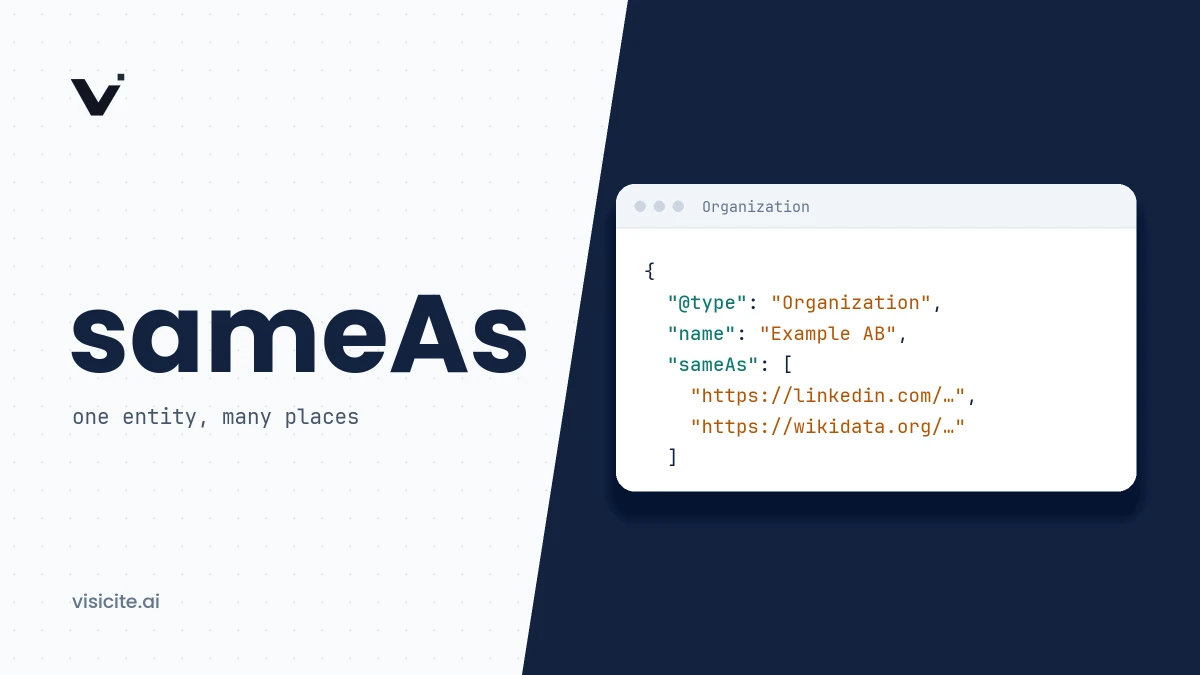
- Organization: With a clear description of industry, specialization, and geographic coverage.
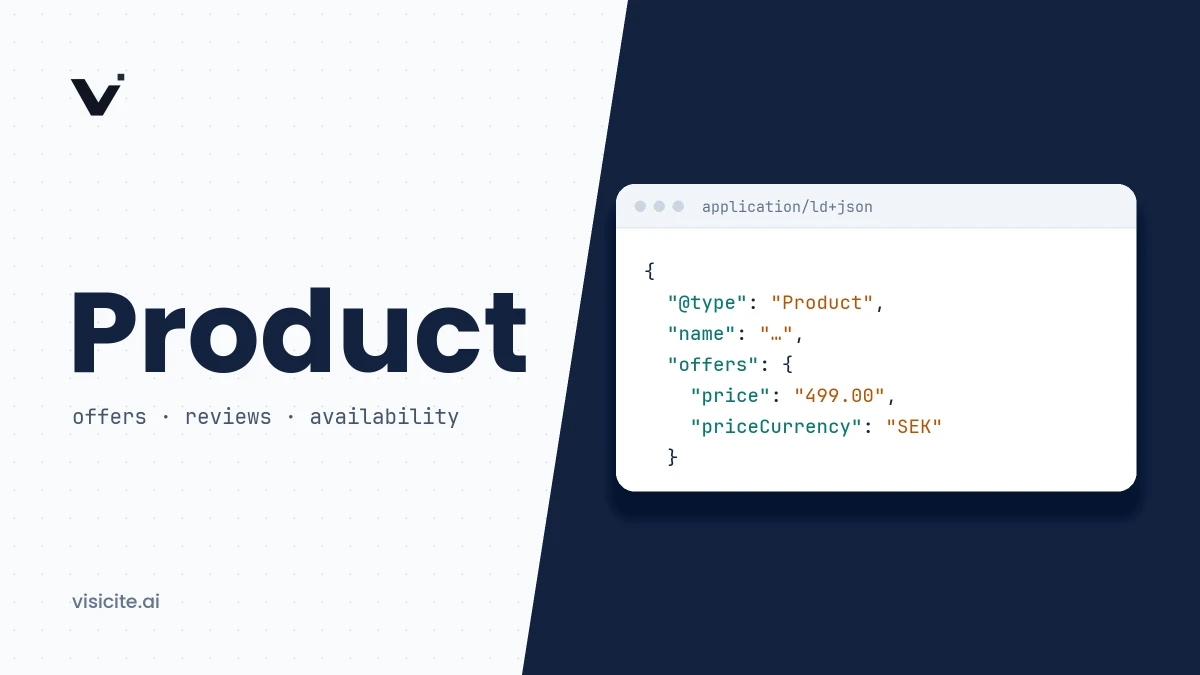
- Product/Service: With detailed descriptions, target audience, and use cases.
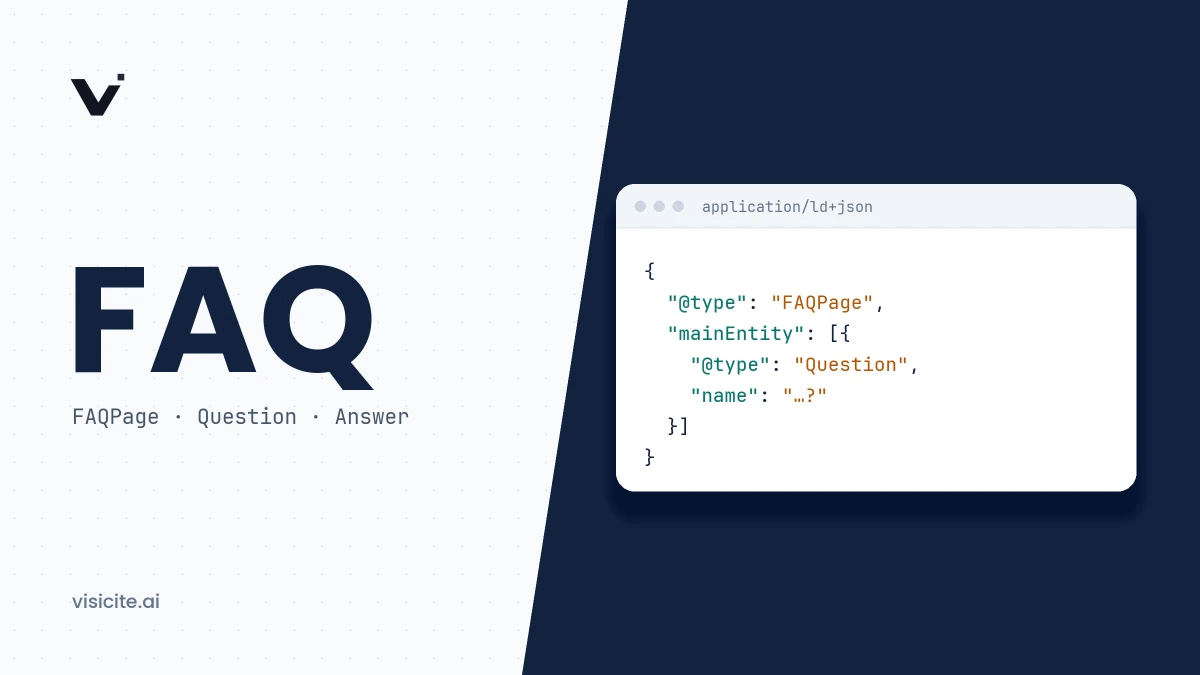
- FAQPage: To structure common questions and answers that decision-makers ask.
- Review/AggregateRating: To highlight customer ratings and testimonials.
Authority Building Through External Signals
AI models consider external signals when assessing a source's credibility. For B2B companies, this means actively working on:
- Mentions in industry publications and trade media
- Analyst relations with firms such as Gartner, Forrester, or IDC
- Customer reviews on platforms like G2, Capterra, or Trustpilot
- Guest articles and expert commentary in relevant media
Measuring and Following Up on B2B GEO Efforts
Unlike traditional SEO where ranking positions are relatively straightforward to measure, GEO measurement is more complex. For B2B companies, a systematic approach is recommended:
- Identify key queries: Map the questions that your target customers typically ask in AI tools during their buying journey.
- Test regularly: Ask these questions to relevant AI models and document whether and how your company is cited.
- Analyze competitors: Examine which sources are cited for your most important queries and analyze why.
- Iterate your content: Based on the results, adjust and improve the content that addresses the questions where you are not yet visible.
A GEO audit is an effective way to get a structured picture of where you stand today and which specific actions have the greatest potential to improve your AI visibility.
Summary: B2B GEO Requires a Strategic and Long-Term Perspective
Appearing in AI answers targeting professional decision-makers is not a one-time effort – it is continuous work to build digital authority, produce genuinely valuable content, and ensure that it is technically accessible for AI models to crawl and understand.
B2B companies that invest in a well-structured GEO strategy now have the opportunity to establish themselves as the sources that AI models turn to when decision-makers seek answers – a position that can provide significant competitive advantages as AI-driven search continues to grow.