
Introduction: Why 2027 Is a Crossroads for AI Search
It is rare that a single year can be clearly identified as a decisive turning point within a technical domain. But given the pace at which AI search engines, large language models (LLMs), and Generative Engine Optimization (GEO) are evolving, there are strong reasons to view the period leading up to and including 2027 as exceptionally formative. New model generations are being deployed, user search behaviors are shifting structurally, and technical standards are beginning to crystallize.
This analysis is not a list of speculative predictions. It is grounded in observable trends, published research, and the patterns already visible in how AI systems select, evaluate, and cite sources. The goal is to give you a well-founded picture of what is coming — and what it concretely means for your GEO strategy.
Trend 1: Multimodal Models Are Redefining What Counts as a Source
From Text to Holistic Understanding
Throughout 2025 and 2026, the leading AI models — from OpenAI, Google, Anthropic, and others — have gradually moved from primarily processing text to handling images, audio, video, and structured data in combination. By 2027, multimodality is no longer an experimental feature but a fundamental characteristic of the most widely used models.
This has direct consequences for GEO. Previously, AI citability was almost exclusively about the quality, structure, and authority of text. Now, AI systems are increasingly evaluating:
- Whether a web page includes complementary visual material that supports textual claims
- Whether charts, tables, and infographics are semantically marked up and machine-readable
- Whether video and audio content is accompanied by transcripts and structured metadata
A website that optimizes only its body text risks losing ground to competitors offering multimodal, well-structured content that AI models can interpret holistically.
What This Means in Practice
Structured data in the form of JSON-LD and schema.org vocabulary becomes even more important. Marking up an article format is no longer sufficient — images, videos, data tables, and interactive elements all need their own semantic layers for AI systems to evaluate them correctly. Websites that invest early in this type of multimodal markup are positioning themselves well for 2027.
Trend 2: Agentic AI Systems Place New Demands on Content Structure
From Answers to Actions
One of the most profound changes in AI search in the near term is the shift from models that answer questions to models that perform tasks. Agentic AI systems — often called AI agents — can independently search for information, compare alternatives, fill in forms, and execute multi-step decisions on behalf of the user.
This means an AI agent does not merely read your website to provide a text response. It can interact with your website as an actor. The question of who gets cited shifts to the question of who gets selected as a source in an automated decision flow.
Structural Requirements for Agent Optimization
To be a reliable source for AI agents, websites generally need to meet a number of requirements that go beyond traditional GEO:
- Machine-readable API endpoints: Structured data that can be retrieved programmatically, not just interpreted from HTML.
- Clear copyright and licensing information: AI agents operating in business contexts need to know whether they are permitted to use and relay information.
- Consistency over time: Agents that return to a source for updated information favor websites with a predictable update cadence and stable URL structure.
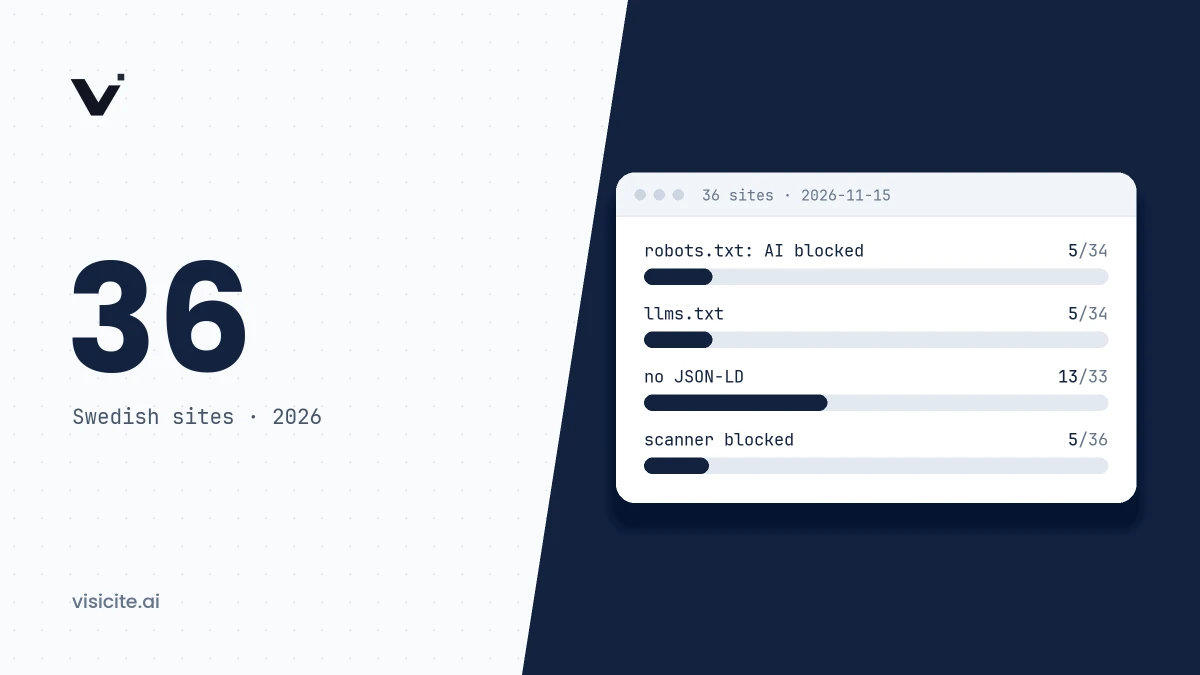
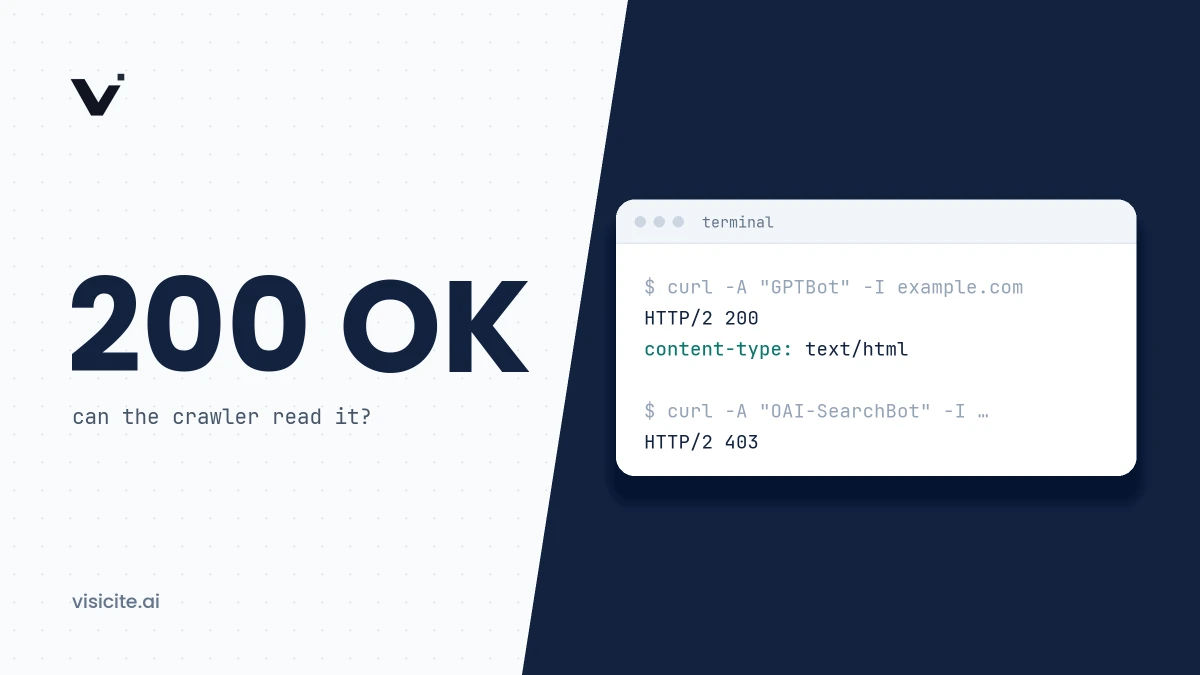
- llms.txt and robots.txt: Clear instructions about which parts of the website are accessible to AI systems and for what purpose.
Trend 3: AI Search Concentration Is Accelerating — and Fragmenting
A Duopoly Under Pressure
During 2024–2025, AI search was effectively dominated by a handful of players: Google with AI Overviews, OpenAI with ChatGPT Search, and Perplexity AI. By 2027, the picture is more complex. On one hand, the market is consolidating around actors with the largest training data and infrastructure. On the other hand, the number of specialized AI search engines for specific verticals — legal, medical, financial, technical — is growing, creating a fragmented search environment.
For GEO strategists, this means a one-size-fits-all approach is becoming increasingly ineffective. A website seeking to be cited by a medical AI assistant must meet different requirements for source quality and verifiability than one targeting a general consumer search engine.
Vertical AI Search Engines as a New Priority
Many industry experts suggest that vertical AI search engines will account for a growing share of decision-influencing searches — that is, searches that directly affect purchases, choice of service provider, or professional decisions. Optimizing for these niche systems requires deeper subject authority, more specific structured data, and stronger signals of institutional credibility.
Trend 4: Shifting Search Behaviors — From Keywords to Conversation and Delegation
The Three Phases of Search
Research into how users interact with AI search engines points to a clear structural change in search behavior. Traditional search was characterized by short, keyword-based queries. AI search has gradually moved users toward three distinct behavioral patterns:
- Conversational search: Long, natural-language questions with context and follow-up questions within the same session.
- Delegated search: The user gives the AI system a goal rather than a question — "find the three best options for X and compare them."
- Subscription search: Recurring, automated information updates where the AI system proactively informs the user of changes within a topic.
By 2027, delegated search and subscription search are expected to grow significantly. This means content needs to be structured not only to answer a single question, but to function as a reliable, up-to-date information source over time.
Implications for Content Strategy
Content that is dated, inconsistently updated, or lacks clear version information risks being filtered out by AI systems that prioritize freshness and reliability. Publishing strategies increasingly need to include systematic updating of existing content, not just the production of new material.
Trend 5: Technical Standards Are Crystallizing — and Beginning to Be Enforced
From Voluntary to Expected
During 2023–2024, standards such as llms.txt, AI-specific robots.txt directives, and structured metadata for AI consumption were largely voluntary and experimental. By 2027, this is shifting. Leading AI systems are beginning to actively use these signals as ranking factors and filtering mechanisms.
There are several concrete signs of this development:
- More AI crawlers respect and actively look for llms.txt files to understand a website's content structure and accessibility.
- Schema.org is expanding its vocabulary with types specifically designed for AI consumption, including better support for source attribution and verifiability.
- Regulatory requirements — particularly within the EU — on AI disclosure and traceability are driving technical standards for how AI-generated and AI-cited content should be labeled.
The EU AI Act and Its Impact on GEO
The EU AI Act, which is being phased in during 2025–2027, includes requirements for transparency and traceability for AI systems used in high-risk contexts. While the regulation primarily targets AI system developers, it creates indirect incentives for websites to provide clearer metadata about content origin, update history, and authorship. Websites that proactively meet these requirements position themselves as more trustworthy sources for AI systems that need to comply with regulatory obligations.
Trend 6: Authority Signals Are Being Revalued
The Diminishing Role of Links
In traditional SEO, backlinks from authoritative domains have been one of the strongest ranking factors. In AI search, the link graph remains relevant, but its weight relative to other factors is shifting. AI models trained on large text corpora learn to identify authority through patterns in how a source is cited, paraphrased, and referenced in other texts — not solely through link structure.
By 2027, several observations point to the following factors gaining ground as authority signals in AI contexts:
- Citation frequency in academic and professional contexts: How often a source is referenced in scientific publications, industry reports, and professional forums.
- Cross-platform consistency: Whether an organization's claims and data are consistent over time and across different platforms.
- Verifiable author identities: Articles and reports with clearly identifiable, verifiable authors with documented expertise are generally valued more highly.
- Institutional affiliation: Connections to recognized organizations, certification bodies, or academic institutions.
What These Trends Mean Collectively for Your GEO Strategy
Analyzing the six trends together, a clear pattern emerges: GEO in 2027 is about building a website and content ecosystem that AI systems can trust, interpret, and use — not merely as a text source, but as a reliable, structured, and verifiable information resource.
Concretely, this means strategy needs to move along three parallel tracks:
- Technical readiness: Implement and maintain multimodal structured data, llms.txt, correct robots.txt directives, and machine-readable metadata. Ensure your website is prepared for agentic interaction.
- Content maturity: Invest in deep subject authority, systematic content updates, and clear verifiability. Prioritize content that functions in conversational search and delegated search flows.
- Authority building: Actively work to appear in external, authoritative contexts — industry publications, professional networks, and academic circles — to strengthen the signals AI models use to assess credibility.
Websites that understand and act on these trends early will have a significant advantage as 2027 takes shape. Those that wait risk finding themselves optimizing for a landscape that has already moved on.
Conclusion
AI search and GEO are in a phase of accelerating change. Multimodality, agentic systems, vertical fragmentation, shifting search behaviors, crystallizing standards, and revalued authority signals are together shaping a new landscape that demands a more sophisticated and forward-looking strategy than what sufficed just a few years ago.
Conducting regular, structured GEO audits is one of the most effective ways to stay informed about where your website actually stands in relation to these requirements — and where the most important improvements lie.