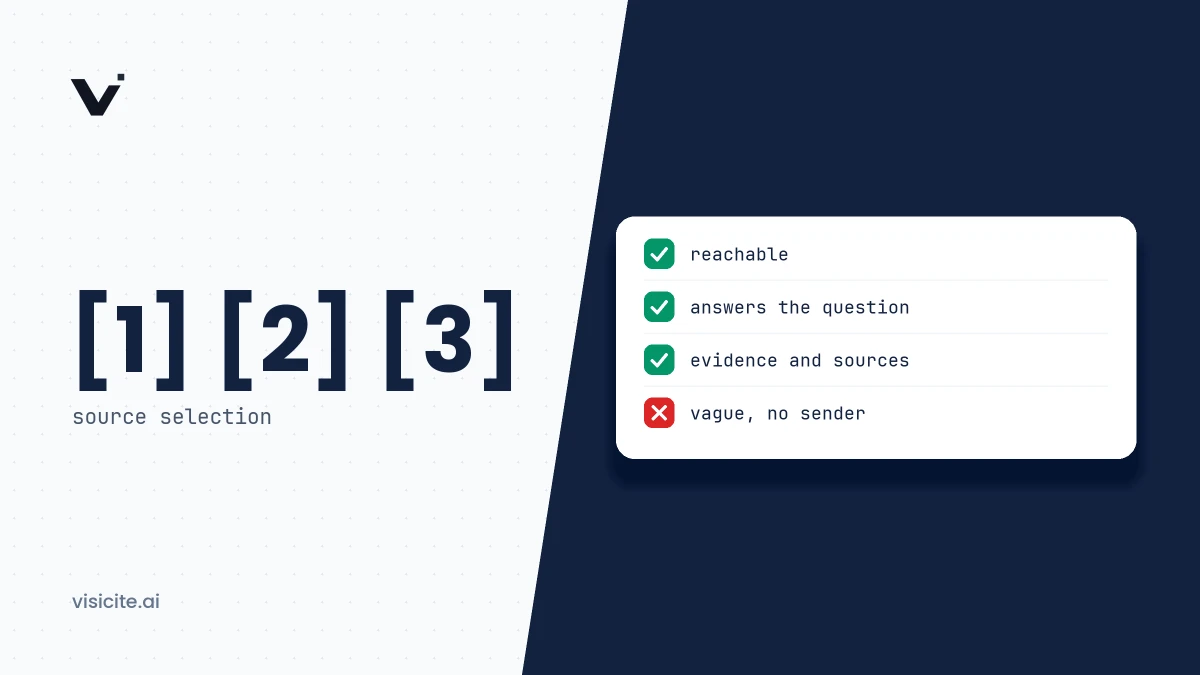

When a large language model like GPT-4 or Claude answers a question and references a specific source, it can seem almost magical. Why does the model choose that particular source and not another? The answer lies in a combination of complex mechanisms that span from how the model was originally trained to how it evaluates credibility and relevance in real time.
Training Data as the Foundation for Source Preferences
The foundation for all source preferences in a language model is established during the training phase. During this process, the model is exposed to enormous amounts of text from the internet, books, scientific articles, and other text corpora. This is where the initial patterns for what constitutes a credible source are established.
Frequency and Representation in Training Data
One of the most fundamental mechanisms is simply how often a source appears in the training data. Sources like Wikipedia, established news sites, and well-known academic institutions appear countless times in the training corpus. This creates an implicit weighting – the model has seen these sources cited, linked to, and confirmed by other texts time and again.
- High frequency in training data creates stronger representation in the model's weights
- Cross-references – when many different texts point to the same source – further reinforce credibility
- Temporal distribution – sources that consistently appear over long periods tend to be valued more highly
The Quality of Surrounding Text
It's not enough for a source to appear frequently. The model also learns from the context surrounding citations. If a source is typically cited in well-written, fact-rich texts with high information density, the source becomes associated with these qualities. Conversely, if a source frequently appears in texts containing factual errors or low quality, this can negatively affect the model's assessment.
Authority Signals and Domain Expertise
Beyond raw frequency, language models learn to identify and value various forms of authority signals. These signals function as proxies for credibility and expertise.
Institutional Authority
Models learn that texts from certain types of institutions are generally more reliable. These include:
- Academic institutions – universities, research institutes, and scientific journals
- Government and public bodies – regulatory agencies, WHO, UN, and similar organizations
- Established media organizations – with long histories of fact-checking and editorial processes
- Industry-leading companies – within their respective areas of expertise
Citation Networks and Link Structure
Just as search engines use link structures to assess authority, language models during training have been exposed to patterns where well-cited sources are consistently referenced by other credible sources. This creates an implicit citation network in the model's parameters – an internal representation of which sources are considered authoritative within different domains.
Expert Identification and E-E-A-T Patterns
Modern language models are trained to recognize signals that correlate with what Google calls E-E-A-T (Experience, Expertise, Authoritativeness, Trustworthiness). The model learns that texts containing:
- Specific, verifiable claims with source citations
- Technical terminology used correctly in the right context
- Clear attribution to named experts or organizations
- Balanced perspectives and acknowledgment of limitations
...are generally more reliable and informative.
Content Quality and Structural Factors
Beyond authority, the actual quality of content plays a critical role. Language models are extremely sensitive to structural and semantic quality signals.
Information Density and Specificity
Texts with high information density – that is, texts that communicate a lot of factual information per sentence – tend to be valued more highly by language models. Vague, general statements without specific details give the model less to work with and are associated with lower quality.
Specificity is key. A text that provides exact figures, dates, names, and verifiable facts gives the model strong anchor points for assessing and using the information. Compare:
- Weak signal: "Many studies show this is effective"
- Strong signal: "A meta-analysis published in Nature Medicine in 2023, based on 47 randomized controlled trials with a total of 12,000 participants, showed an effect size of 0.73"
Structural Clarity and Readability
Well-structured texts with clear headings, logical progression, and well-defined concepts are easier for the model to process and extract information from. Structure helps the model understand what is being claimed and in what context, which increases the likelihood that the information will be used correctly in responses.
Consistency and Factual Agreement
Language models are implicitly trained to identify factual consistency. If a claim in a source agrees with what the model has seen confirmed in hundreds of other texts, the credibility of that source increases. Conversely, sources whose claims frequently contradict well-confirmed information are flagged as less reliable.
Retrieval-Augmented Generation and Real-Time Evaluation
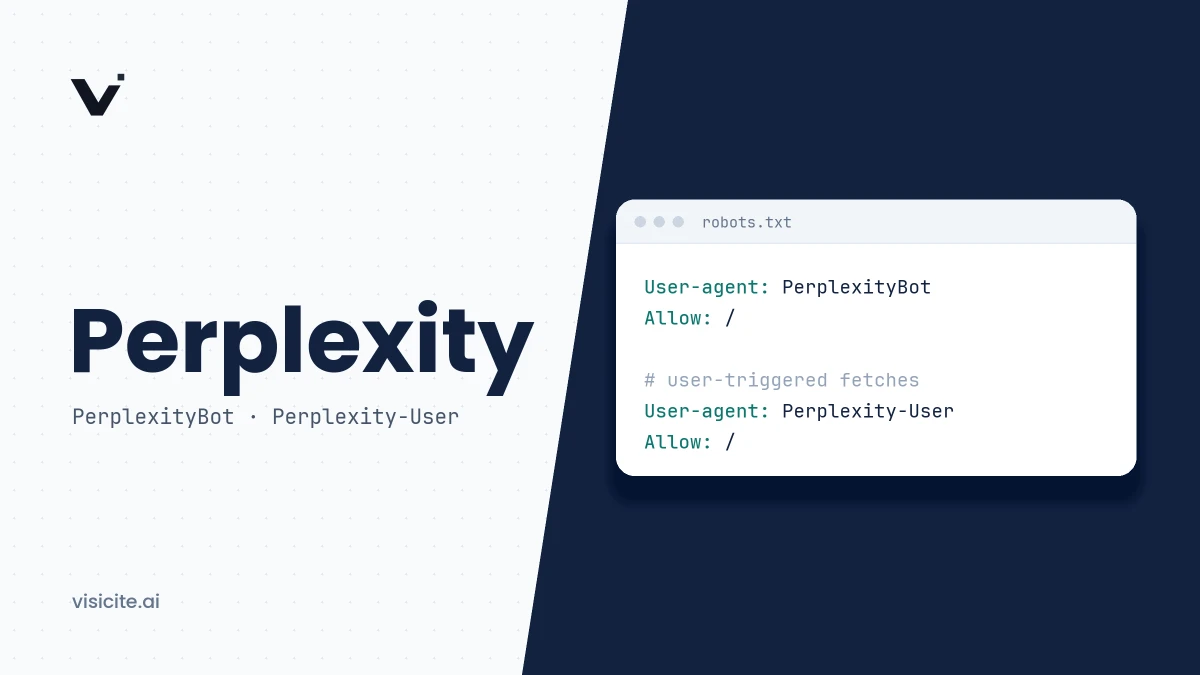
For modern LLM systems like Perplexity, ChatGPT with web browsing, and Claude with tool use, an additional layer of source evaluation comes into play: Retrieval-Augmented Generation (RAG).
How RAG Affects Source Selection
In RAG systems, the model actively retrieves information from external sources at inference time. Source selection in these systems is influenced by:
- Semantic relevance – how well the source's content matches the semantic meaning of the query
- Freshness – how current the information is, important for time-sensitive questions
- Source domain reputation – built-in filters that prioritize trusted domains
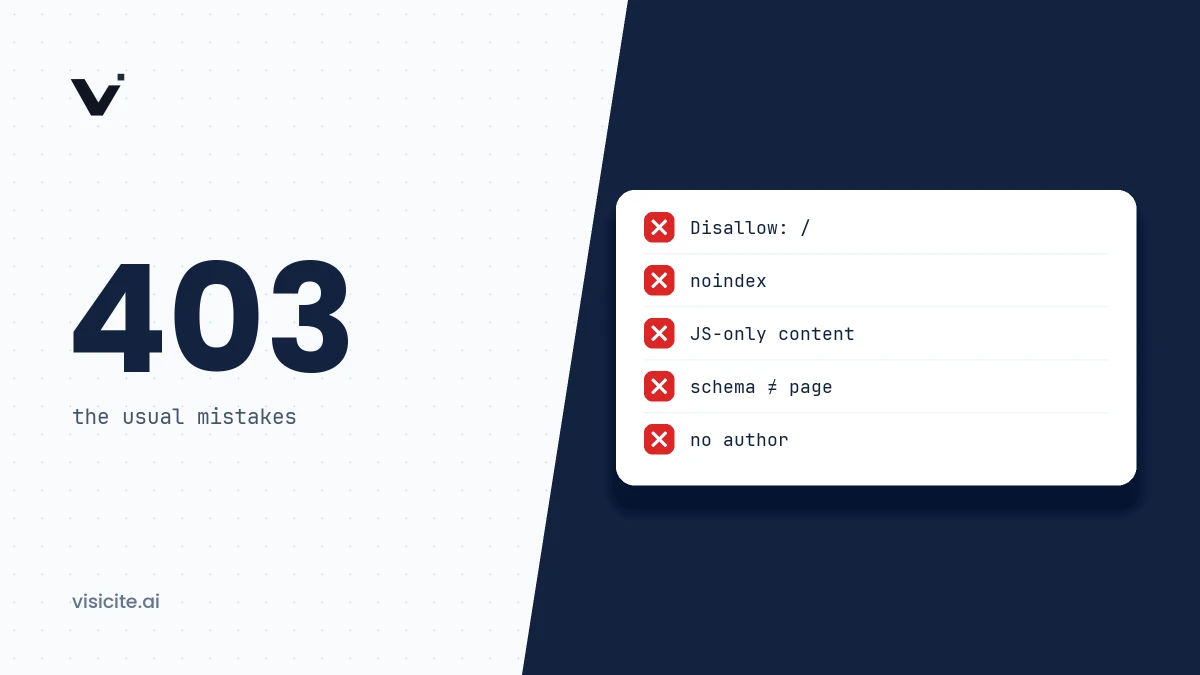
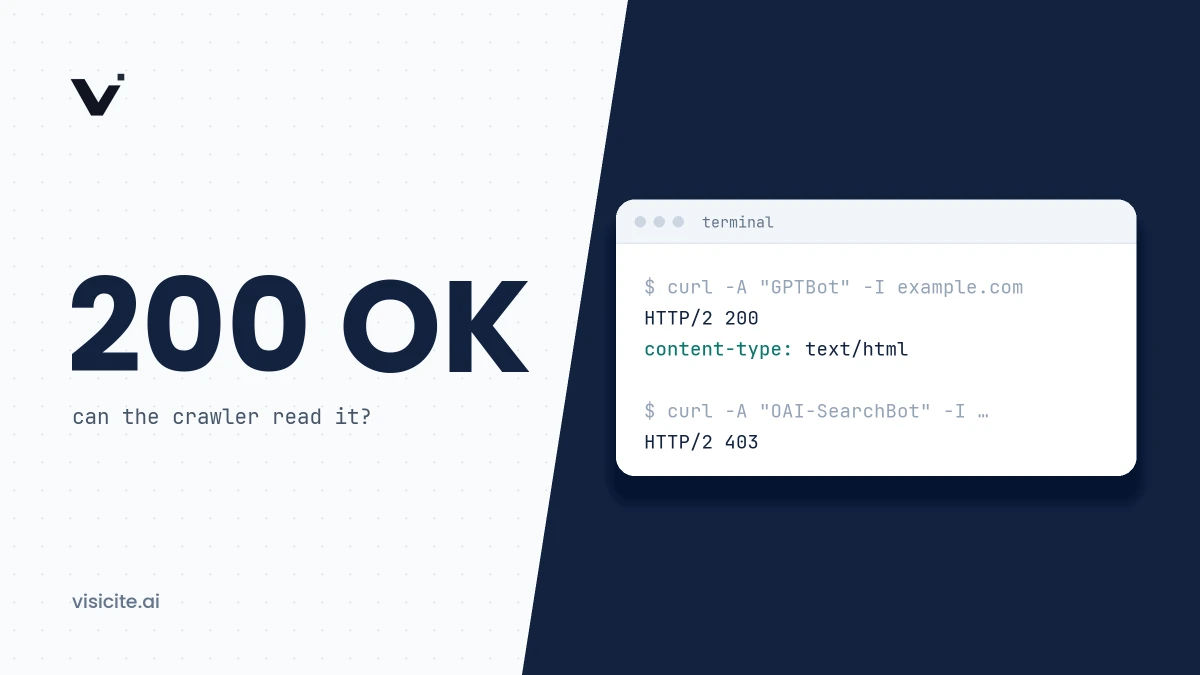
- Machine readability – well-structured HTML, schema markup, and clear metadata facilitate extraction
Reranking and Quality Assessment
Many RAG systems use a separate reranker model that assesses the relevance and quality of retrieved documents before they are used as context for the final response. These rerankers are often specifically trained to evaluate factual quality, authority, and relevance – making them a critical gatekeeper for which sources are actually cited.
RLHF and Human Feedback as a Quality Signal
An often-overlooked mechanism is the role of Reinforcement Learning from Human Feedback (RLHF) in shaping source preferences. During RLHF training, human evaluators rate the model's responses, and responses that cite credible, well-known sources tend to receive higher ratings.
This creates a feedback loop where the model learns to:
- Prefer well-known, established sources over unknown ones
- Avoid citing controversial or unreliable sources
- Balance source citations with actual information quality
Practical Implications for GEO Optimization
Understanding these mechanisms has direct consequences for how you should optimize your content to be cited by AI models.
Build Authority Systematically
Since authority is partly based on how often and in what contexts your source appears in training data, long-term, consistent publication of high-quality content is crucial. It's not about quick wins but about building a digital footprint that signals expertise over time.
Optimize for Machine Readability
Structured data, schema markup, clear headings, and well-organized content make it easier for RAG systems to extract and use your information. Technical optimization and content quality are two sides of the same coin.
Focus on Information Density
Replace vague generalizations with specific, verifiable claims. Include statistics, dates, named experts, and concrete examples. Each specific fact is an anchor that increases the probability that the model will choose your source when answering relevant questions.
Understanding the mechanisms behind how language models choose their sources is not just academically interesting – it's a practical map for how you can position your content in the emerging AI search landscape. The models that dominate today and tomorrow are designed to find and use the best, most authoritative information. Your task is to ensure that information is yours.