
Why Local GEO Is Different
When a user asks ChatGPT, Perplexity, or Google AI Overviews about "the best dentist in Manchester" or "car garage open on Sundays in Birmingham," something fundamentally different occurs compared to a traditional Google search. The AI model compiles an answer based on multiple sources – and it actively chooses which local businesses deserve to be mentioned.
For local businesses, this represents a new type of competition. It is no longer sufficient to rank highly in organic search results. You also need to ensure that the data sources AI models rely on contain accurate, consistent, and detailed information about your business.
The good news is that local GEO (Generative Engine Optimization) is built on principles that are concrete and implementable – even for smaller businesses without large marketing budgets.
Step 1: Build a Solid Foundation with NAP Consistency
NAP stands for Name, Address, Phone number – and consistency in these details is the foundation of all local visibility, whether for traditional SEO or AI citability.
AI models draw information from a broad spectrum of sources: your website, Google Business Profile, Yelp, industry directories, social media, and local news sites. If your business name is spelled differently in different places, or your address varies (e.g., "12 High Street" in one place and "12a High Street" in another), this creates uncertainty that may lead an AI model to avoid citing you altogether.
Actions for NAP Consistency
- Conduct an audit of every place your business is mentioned online – tools like Moz Local or Semrush Listing Management can help.
- Choose a canonical format for your business name, address, and phone number.
- Update discrepancies systematically, starting with the most authoritative sources (Google Business Profile, your website, Facebook).
- Verify that your website footer and contact page match exactly what is listed in Google Business Profile.
Step 2: Optimise Your Google Business Profile for AI Readability
Google Business Profile (GBP) is one of the primary data sources that Google AI Overviews uses when generating answers to local search queries. GBP also plays an indirect role for other AI models, as information from Google is frequently indexed and used as training data or retrieved via real-time web searches.
Complete Every Field with Precision
Many businesses leave large portions of their GBP profile empty or incomplete. This is a mistake. Every field is an opportunity to give AI models more context about what your business does, where it is located, and who it serves.
- Business description: Write a clear, factual description of up to 750 characters that includes your key services, your location, and what makes you distinctive. Avoid marketing language – AI models generally prefer factual information.
- Categories: Choose your primary category carefully and add relevant secondary categories. Categories help AI understand what your business actually offers.
- Opening hours: Keep these strictly up to date, including special hours for public holidays. Inaccurate opening hours are one of the most common reasons AI models present incorrect information about local businesses.
- Services and products: Use the dedicated services and products fields to list what you offer with short, descriptive texts.
- Attributes: Complete relevant attributes (e.g., "wheelchair accessible," "on-site parking," "accepts cards") – these are frequently used in AI answers to specific queries.
Manage and Respond to Reviews Strategically
Reviews are not only important for conversion – they are also a data source for AI models. AI can use information from reviews to summarise what customers think about a business. Actively responding to reviews, both positive and negative, signals engagement and credibility.
Encourage satisfied customers to leave detailed reviews that mention specific services and locations. A review that says "Best plumber in Bristol, fast and professional water damage repair" is more valuable for AI visibility than "Great service!".
Publish Google Posts Regularly
Google Posts are an underutilised tool. Regular posts about offers, events, or news signal that the profile is active and up to date – a factor that generally correlates with higher visibility in AI-generated answers.
Step 3: Implement Local Structured Data on Your Website
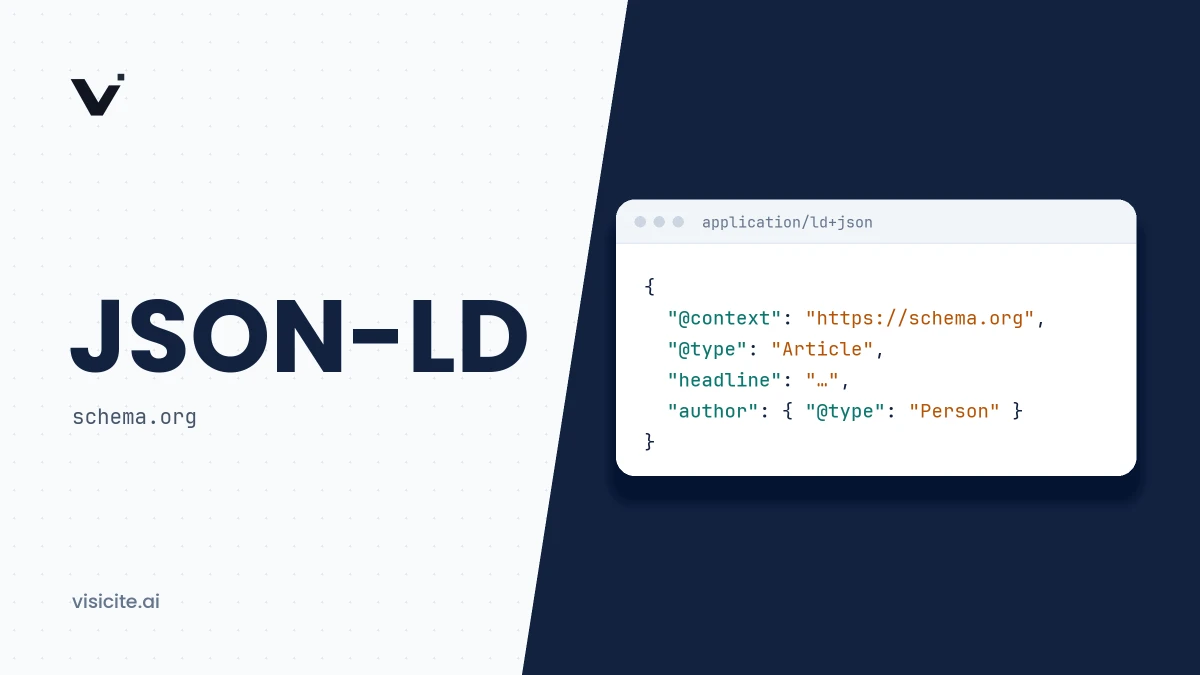
Structured data in JSON-LD format is one of the most direct ways to communicate with AI models and search engines. For local businesses, there are specific schema types that are particularly relevant.
The LocalBusiness Schema
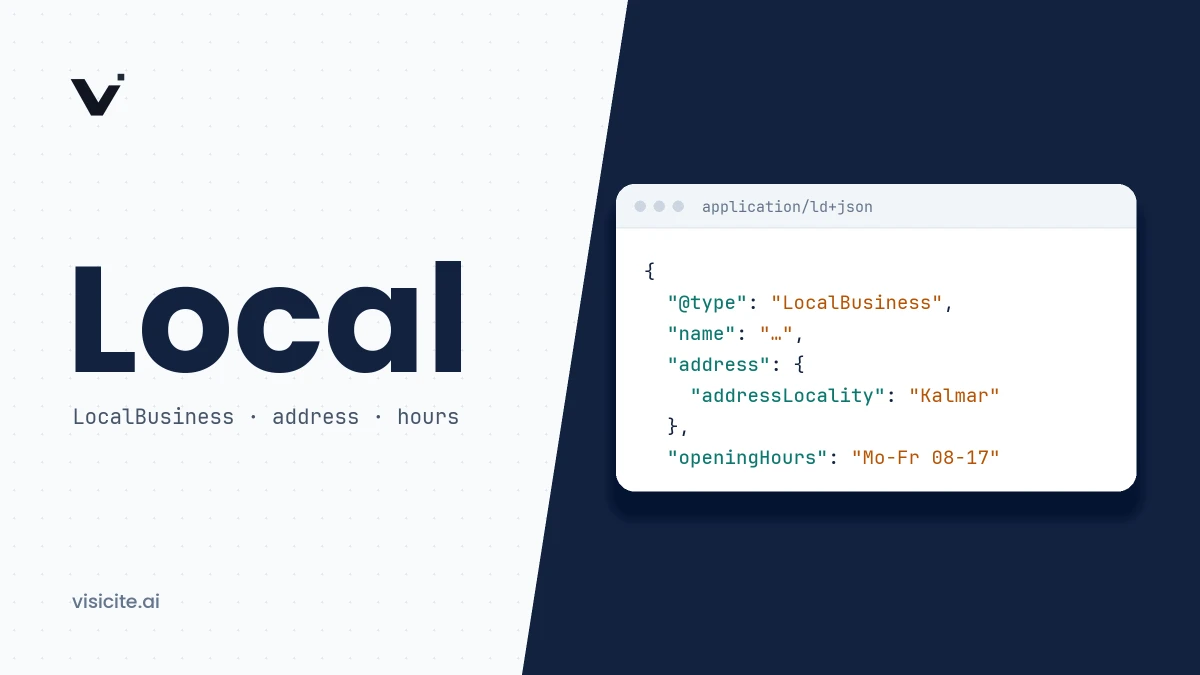
The foundational schema for local businesses is LocalBusiness (or a more specific subtype such as Restaurant, Dentist, AutoRepair, etc.). Place this in JSON-LD format in the <head> section of your homepage and contact page.
A well-implemented LocalBusiness schema should include:
- name: Exactly the same name as in your GBP.
- address: Full address with
streetAddress,addressLocality,postalCode, andaddressCountry. - telephone: Phone number in international format.
- openingHoursSpecification: Detailed opening hours for each day.
- geo: Coordinates (latitude and longitude) for precise geographic positioning.
- url: Your website URL.
- sameAs: A list of URLs to your profiles on Google Business, Facebook, LinkedIn, and relevant industry directories.
- areaServed: Specify the cities or regions you serve, not just your physical address.
- priceRange: An indication of price level (e.g., "$$" or "£50–£200").
BreadcrumbList and WebPage Schema
Complement the LocalBusiness schema with BreadcrumbList on all pages and WebPage schema on specific landing pages. This helps AI understand your website's structure and how different pages relate to each other and to your local business.
FAQ Schema for Local Questions
Identify the most common questions your local customers ask – "Do you have parking?", "Do you handle emergency call-outs?", "Which areas do you cover?" – and implement FAQ schema on relevant pages. AI models tend to cite structured FAQ answers when responding to specific queries.
Step 4: Create Locally Anchored Content
Structured data and GBP optimisation are necessary, but not sufficient. AI models also value content that demonstrates genuine local expertise and relevance.
Service and Location Landing Pages
If you serve multiple towns or neighbourhoods, create dedicated landing pages for each combination of service and location. A cleaning company in London might have separate pages for "cleaning in Shoreditch," "cleaning in Clapham," and "cleaning in Islington."
These pages should not be thin copies of each other. Each page should contain:
- Specific information about the local market or neighbourhood.
- Local references (e.g., well-known landmarks, local events, or specific challenges in the area).
- Customer quotes or reviews from clients in that specific area.
- Practical information specific to the location (e.g., parking options, public transport connections).
Locally Focused Articles and Guides
Publish content that addresses local questions and needs. A plumbing company might write about "Common pipe problems in older properties in [city]" or "What does a bathroom renovation cost in [city] in 2025?". This type of content positions you as a local authority and increases the likelihood that AI models will cite you when users ask similar questions.
Local Collaborations and Mentions
Actively seek opportunities to be mentioned in local media, trade organisations, and local blogs. External mentions from credible local sources act as authority signals that AI models factor in when deciding which businesses deserve to be highlighted.
Step 5: Optimise for Voice and Conversational Searches
A significant proportion of local searches occur via voice or in conversational form – "Is there an Italian restaurant nearby that's open now?" or "What's the best option for car servicing in [city]?". AI models like ChatGPT and Perplexity are built to handle precisely this type of natural question.
Answer Questions in Natural Language
Structure parts of your website content as direct answers to questions. Rather than simply listing your services, include sections that explicitly answer questions such as:
- "How quickly can you come out?"
- "What is included in the price?"
- "Do you serve [specific area]?"
- "How do I book an appointment?"
These answers should be concise, factual, and placed early in the text – AI models tend to cite information that is clearest and most readily accessible.
Step 6: Technical Foundation for Local AI Visibility
Beyond content and structured data, there are technical factors that affect how well AI models can crawl and understand your website.
Page Load Speed and Mobile Optimisation
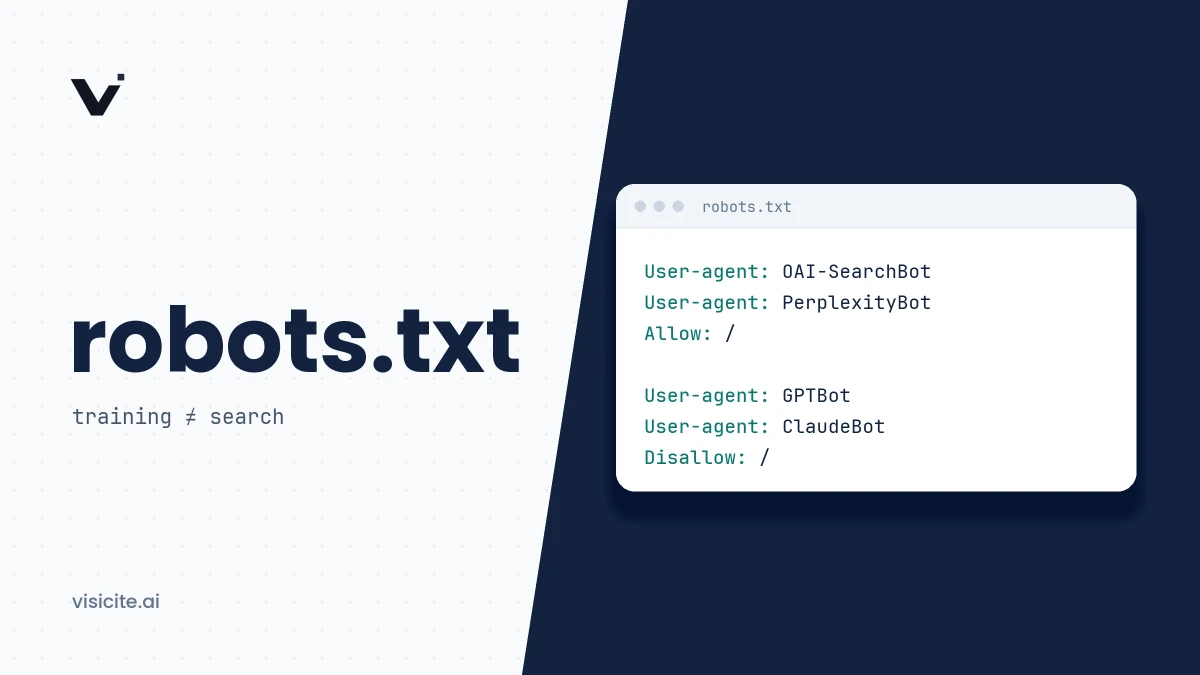
AI crawlers and search engine bots generally prioritise pages that load quickly and function well on mobile devices. Use Google PageSpeed Insights to identify and address performance issues.
Clear URL Structure
Use descriptive URLs that include location and service, for example /services/plumber-manchester rather than /page?id=42. A logical URL structure helps AI understand a page's content before even crawling it.
Internal Linking
Link consistently between your service pages, location pages, and articles. A strong internal link structure helps AI understand your website's hierarchy and which pages are most central to your business.
Measure and Iterate
Local GEO optimisation is not a one-time project – it requires ongoing monitoring and adjustment. Regularly track:
- How often your business is mentioned in AI-generated answers to relevant local search queries.
- Traffic from local search terms in Google Search Console.
- The number of impressions and clicks in Google Business Profile Insights.
- Review volume and average rating over time.
Regularly test what AI models like ChatGPT, Perplexity, and Google AI Overviews respond when you ask local questions within your industry. If you notice that competitors are mentioned but you are not, this gives you concrete clues about what needs to be improved.
Summary: The Most Important Actions
Local GEO optimisation is about making it easy for AI models to find, understand, and trust the information about your business. The most important actions are:
- Ensure consistent NAP information across all platforms.
- Fully optimise your Google Business Profile – every field counts.
- Implement LocalBusiness JSON-LD schema with complete data.
- Create genuinely locally anchored content for every location and service you offer.
- Structure content as direct answers to local questions.
- Build authority through local mentions and reviews.
Businesses that invest in these measures today are building a competitive advantage that will become increasingly important as more users turn to AI to find local providers and services.