Digital Authority for GEO: How to Build Credibility That AI Models Trust
Learn how to systematically build the digital authority and credibility needed for AI models to choose your website as a trusted citation source.
Articles about Generative Engine Optimization and how to optimize for AI search engines.
Learn how to systematically build the digital authority and credibility needed for AI models to choose your website as a trusted citation source.
Concrete GEO tactics for e-commerce sites aiming to appear in AI-generated product recommendations and buying guides – from product descriptions to structured data.
Well-structured FAQ pages naturally match how AI models search and present information. Learn how to build FAQ pages that AI wants to cite.
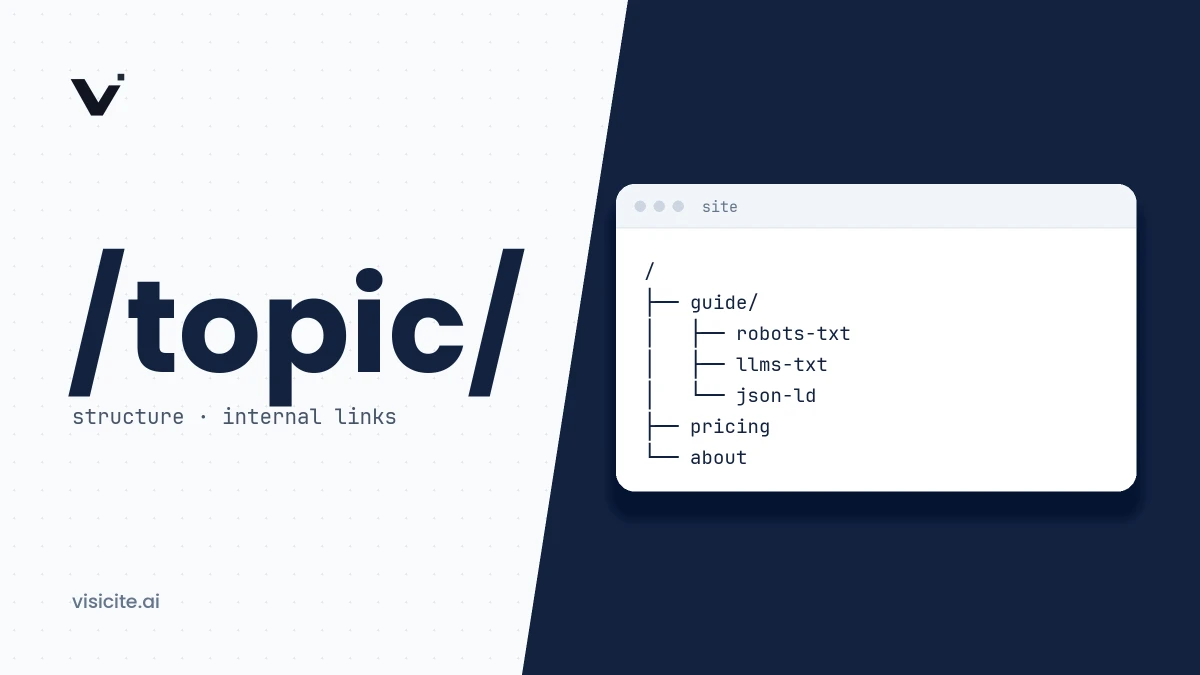
How to structure your website's content architecture with silos, internal linking and semantic clustering to maximize your AI visibility.
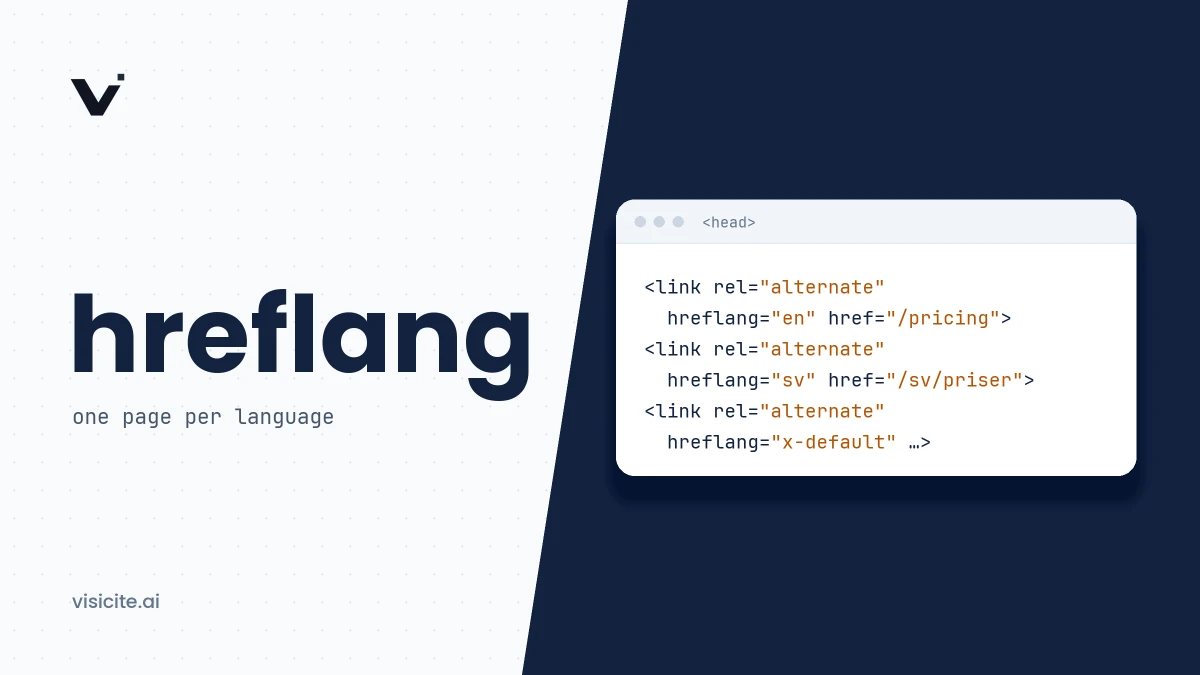
Global AI visibility requires more than translation. Learn how hreflang, cultural adaptation, and language-specific authority determine whether AI models cite your content.
Professional decision-makers increasingly use AI to evaluate vendors. Here is how B2B companies adapt their GEO strategy to appear in the right AI answers.
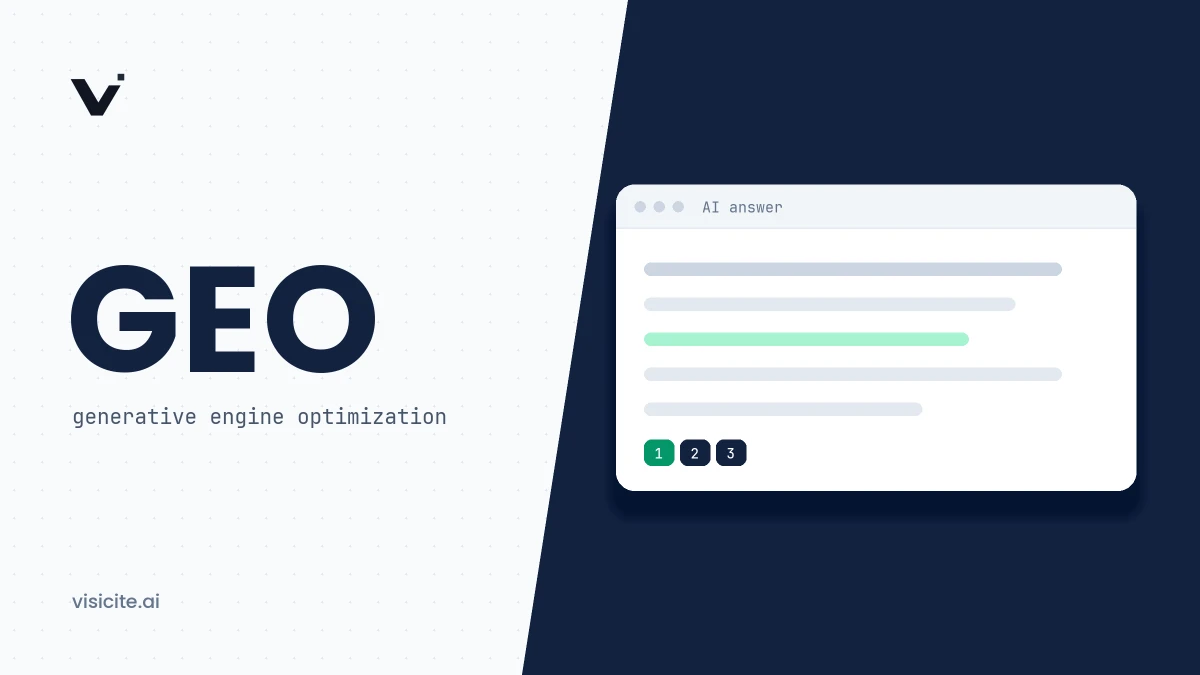
What GEO means, where the term comes from, what the research and the vendors actually say, and how to build and measure a GEO strategy step by step.
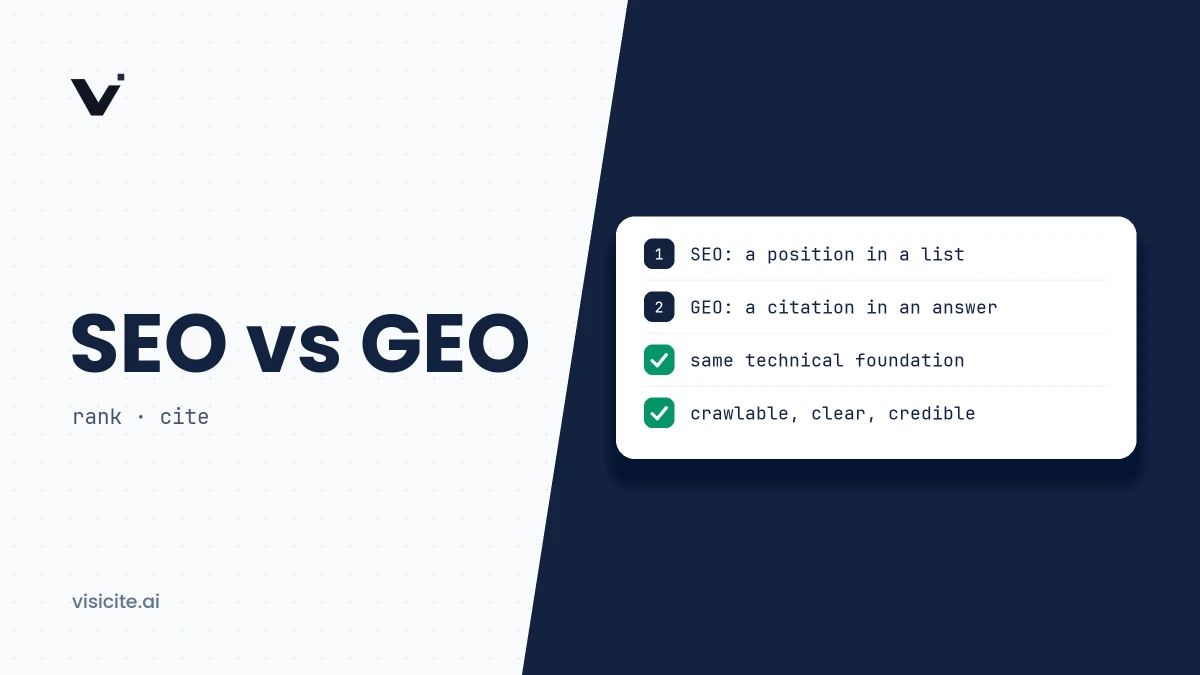
SEO and GEO share most of their foundation. Here is what actually differs, what Google itself says, and what an SEO team should keep, add and stop doing.
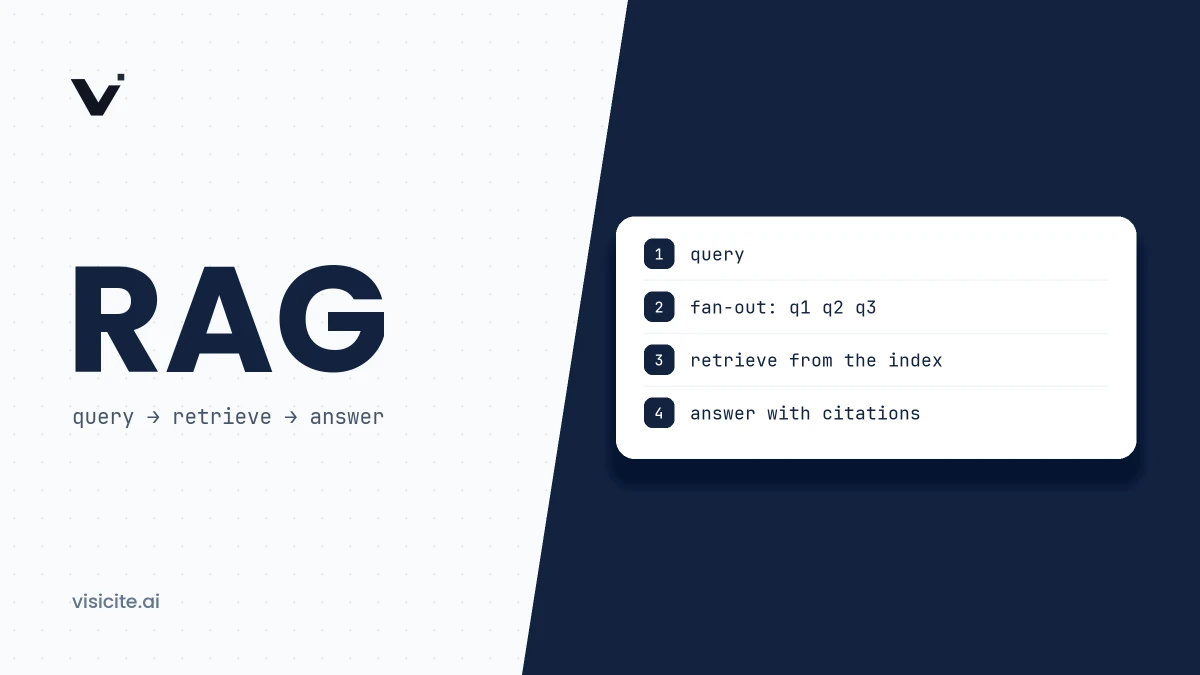
AI search engines rewrite your question, retrieve pages from an index and cite individual passages. How ChatGPT search, Google AI Mode, Perplexity, Copilot and Claude work, per the vendors' own docs.
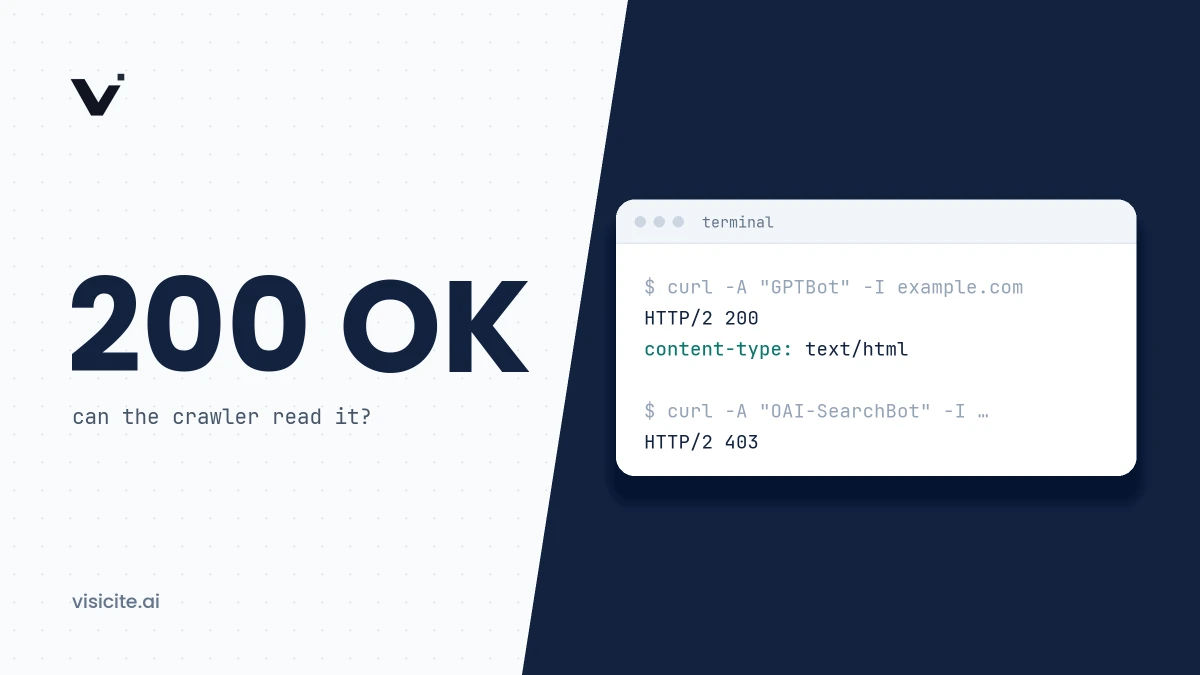
Crawler access, server-rendered HTML, canonical, structured data, reliability and snippet controls: how to test each factor with curl and fix what blocks AI citations.
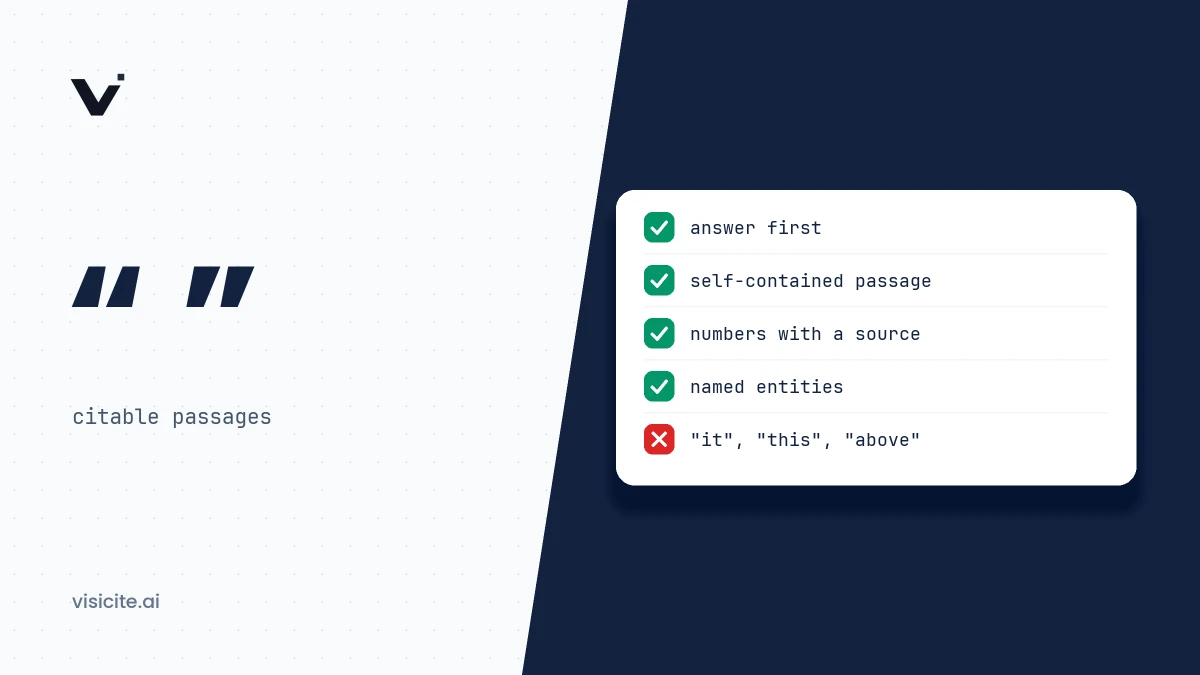
How to write passages AI answer engines can lift out and cite: answer first, self-contained paragraphs, sourced and dated numbers. With before/after rewrites and what the research actually shows.
E-E-A-T is not a ranking factor or a score, but the framework still matters. Here is what is documented, what is inferred, and seven verifiable measures for your site.
We use cookies to improve your experience. By continuing to use the website, you accept our use of cookies.
These cookies are required for the website to function and cannot be disabled.
Help us understand how visitors use the website by collecting anonymous statistics.
Used to display relevant ads and measure advertising effectiveness.
session
Keeps your session active while navigating the website. Deleted when you close the browser.
XSRF-TOKEN
Protects against cross-site request forgery attacks. Deleted when you close the browser.
cookie_consent
Saves your cookie preferences so we don't need to ask again. Stored for 1 year.
Google Analytics
_ga
Used to distinguish users. Stored for 2 years.
_ga_*
Used to maintain session state. Stored for 2 years.
_gid
Used to distinguish users. Stored for 24 hours.
Facebook Pixel
_fbp
Used to deliver ads and measure their effectiveness. Stored for 3 months.
fr
Used to deliver and measure the relevance of ads. Stored for 3 months.